

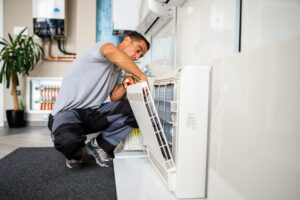
 One of the most essential systems in an Issaquah rental property is the Heating, Ventilation, and Air Conditioning (HVAC) system. Not only is the HVAC system working to keep your tenants comfortable and contented for the whole year, but it also adds to the longevity of your property. Seeing that it is such an essential system, it’s vital to know well the most typical problems that may happen – and how to handle them. To make this smooth and easy for busy investors like you, we’ve collated a list of the top 10 HVAC issues and their solutions.
Blocked Registers and Vents
If your tenants are complaining of improper heating or cooling in the rental home, the first thing you should look for is whether the registers and vents are blocked. Furniture, home décor, and storage boxes can all obstruct registers and vents, creating airflow issues. By clearing the section around each vent and register, you can make a huge improvement on how your HVAC system performs.
Dirty Filters
Another basic trouble with HVAC systems is that filters are not being changed frequently enough. HVAC filters help maintain the fitting air circulation by keeping debris and dust out of your ducts and equipment. If the filter gets blocked by dust, not only will the HVAC system have to work hard to heat or cool the home, but definitely internal parts may become damaged as well. The fix here is certainly an easy one: see that the filter is being changed corresponding to the manufacturer’s instructions. While quite a lot of systems require a new filter every three months or so, a few systems may need the filters replaced as often as once a month.
Obstructed Condenser Unit
One of the most common reasons an HVAC system starts to lose usefulness is because leaves and debris have compiled around the unit, clogging the condenser. A clogged condenser unit can cause your HVAC unit to overheat, potentially damaging it. To rectify the problem, clear the area around your HVAC unit, including any leaves or debris that may be clinging to the exterior.
Dirty Coils
Just the same with the condenser, an HVAC system counts on condenser coils to function accurately. When the coils get dirty, the HVAC system cannot maintain the best airflow, and your unit may overheat. Because of this, it’s important to have your condenser coils cleaned consistently, about once or twice a year.
Dirty or Leaky Ducts
If your HVAC filters are not changed regularly, dust can accumulate in the ductwork, narrowing the space for air to flow. In older houses, it’s also even possible for ducts to be dirty or leaky resulting from rodents, insects, or cracks and holes. Any of these problems will develop into reduced airflow and poor efficiency of your HVAC system. To make sure that your ducting isn’t the source of the problem, make sure to have it handled and cleaned depending on the needs.
Slow Blower Fan
All HVAC systems use one or more blower fans to move air throughout the rental house. If there is a snag with the blower fan, that can induce airflow issues and make your HVAC system much less effective. Through the years, fans can wear out or emerge to be coated in grime. The solution to a slow blower fan is to have it properly checked and either cleaned or replaced as soon as the problem is determined.
Leaking Refrigerant
If your HVAC system is an older one (or has not been maintained nicely in the past), you may have a refrigerant leak. Leaking refrigerant can give rise to reduced cooling and airflow problems. Normally, the issues are developed gradually as the refrigerant slowly leaks out. To address the issue, have your unit closely inspected and repaired by a trained HVAC technician.
Faulty Thermostat
Now and then, the problems you think are coming from your HVAC unit are caused by the thermostat. A malfunctioning thermostat can make it hard to maintain a standard, comfortable temperature in the house while making your HVAC unit work harder than it should. If you’ve had your HVAC unit inspected and can’t spot any issues, make sure to check and replace your thermostat first prior to assuming you need to replace your entire system.
Wrong Size Unit
Very much like rental homes, HVAC units come in an array of sizes. It’s important to have the perfect and correct unit for your space. Units that are too small won’t heat and cool your property very well, while units that are too big will typically cycle on and off too frequently, bringing about stuffy interiors and high humidity levels. To correct this issue, have an HVAC expert inspect your heating and cooling needs and give you a proper recommendation on whether you need to replace your current unit with one that is the suitable size for your Issaquah rental property.
Outdated HVAC System
Lastly, another common HVAC system issue is that the unit or the ductwork is old or outdated, even antiquated. This is especially prevalent in older homes that have been renovated, especially if the HVAC system and ducting weren’t updated along with the rest of the house. To enhance the airflow (and the efficiency) of your HVAC unit, ask an expert as regards updating your ductwork. You may find that even easy changes can make a massive difference.
There are various common issues with HVAC systems that can be eluded simply by having consistent, professional maintenance executed every year. But certainly, remembering to schedule HVAC maintenance can be burdensome when there are countless other tasks competing for your attention. Instead, why not designate the care and maintenance of your rental properties to the Issaquah property managers at Real Property Management Supreme? We help rental property owners like you keep your HVAC systems in perfect shape, saving you money by easily extending your unit’s useful life and keeping your tenants comfortable in the home all year round. To discover more, contact us online or call us at 425-448-2877 today!
This content is provided for general informational and educational purposes only and does not constitute financial, legal, tax, or investment advice. Readers should consult with licensed professionals regarding their specific circumstances.
We are pledged to the letter and spirit of U.S. policy for the achievement of equal housing opportunity throughout the Nation. See Equal Housing Opportunity Statement for more information.
